mastichochoria

Medieval Villages Tour

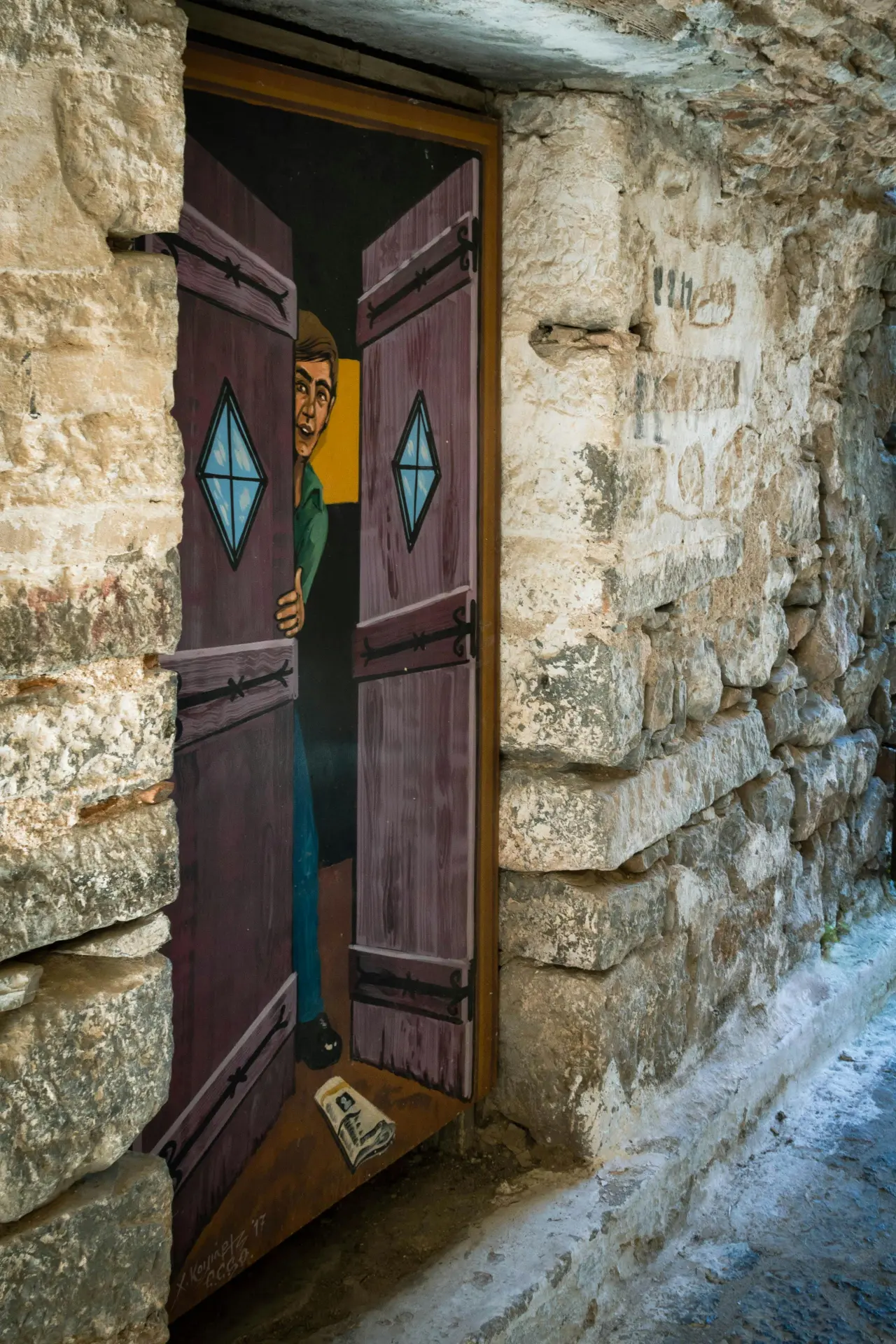
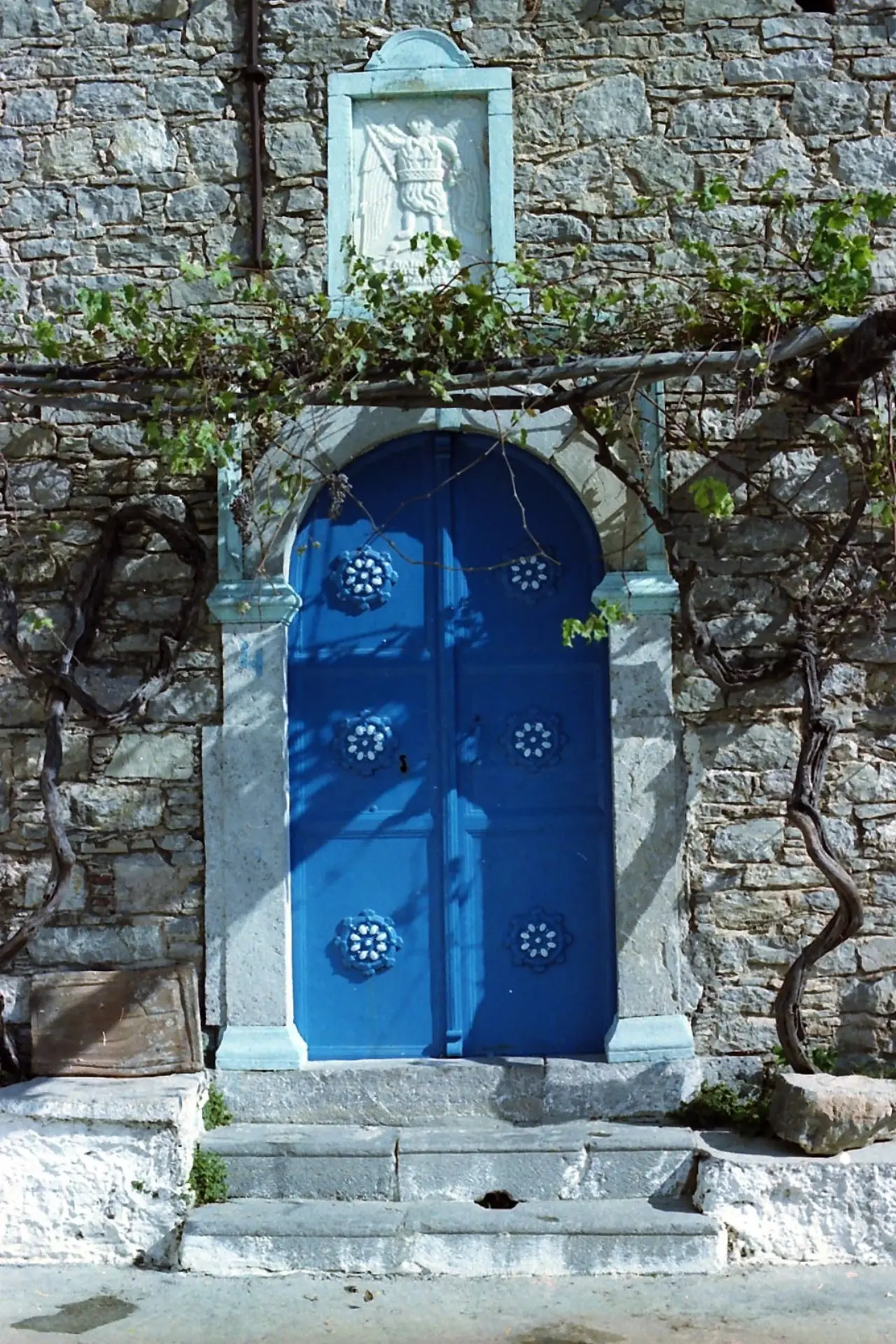
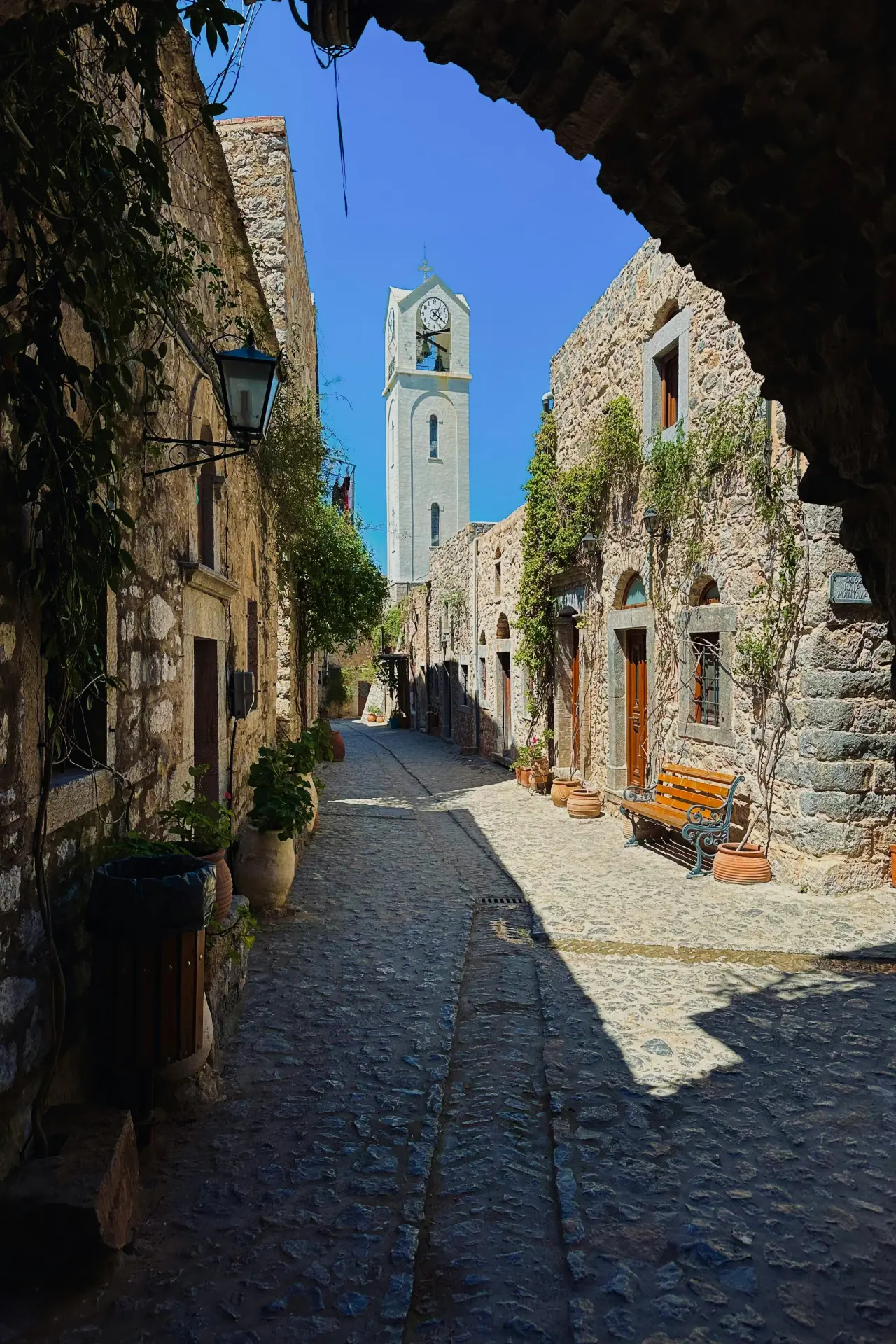
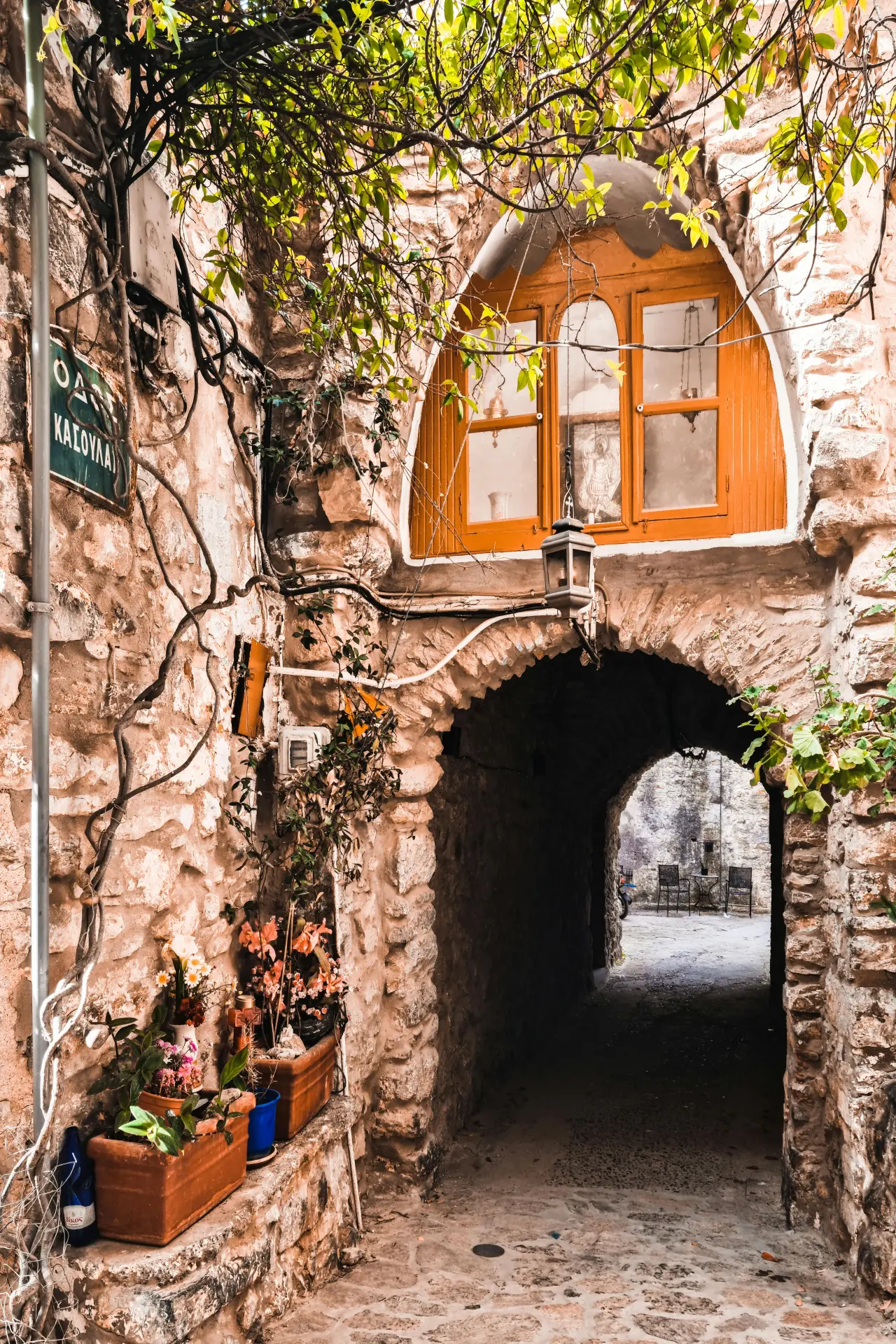
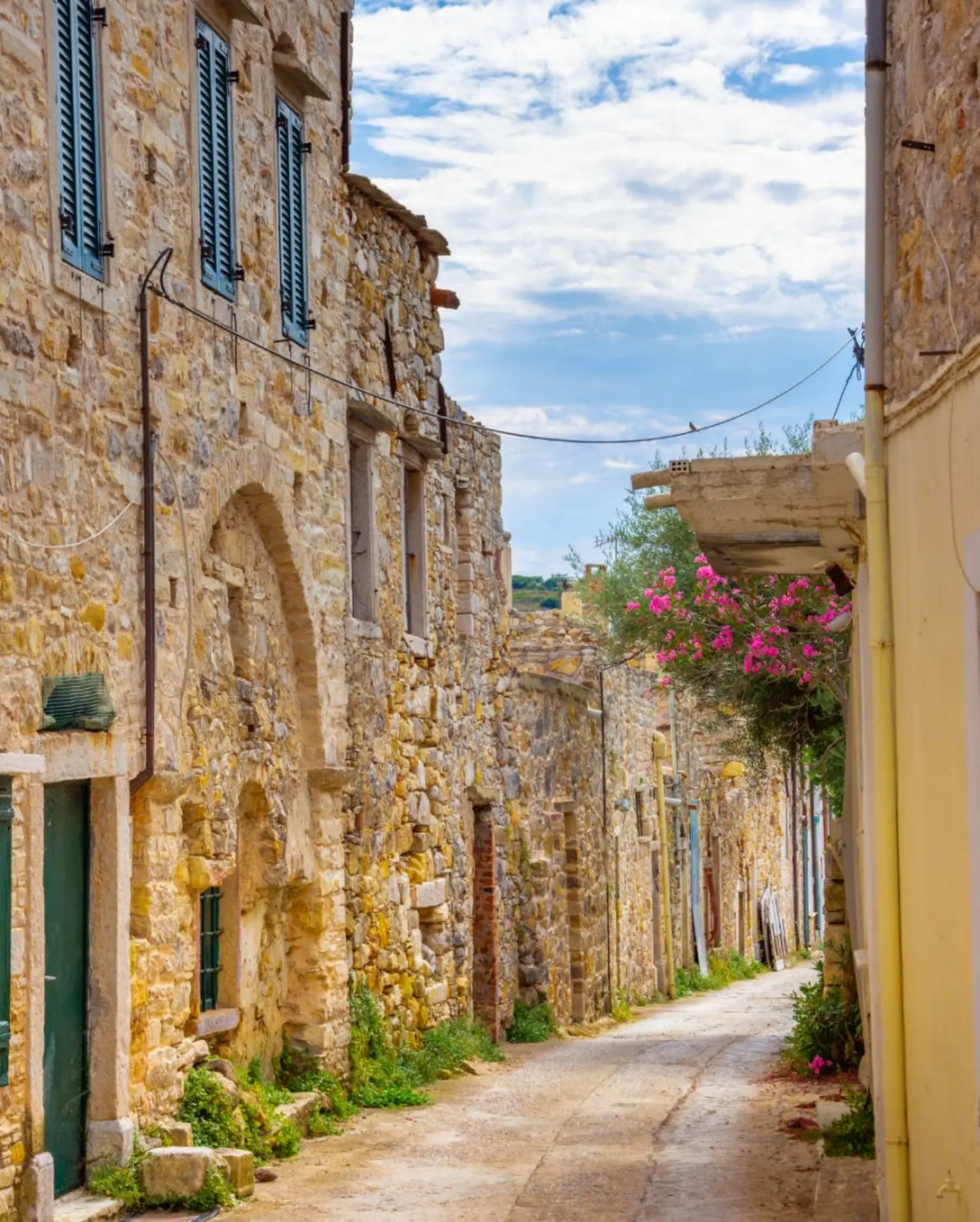
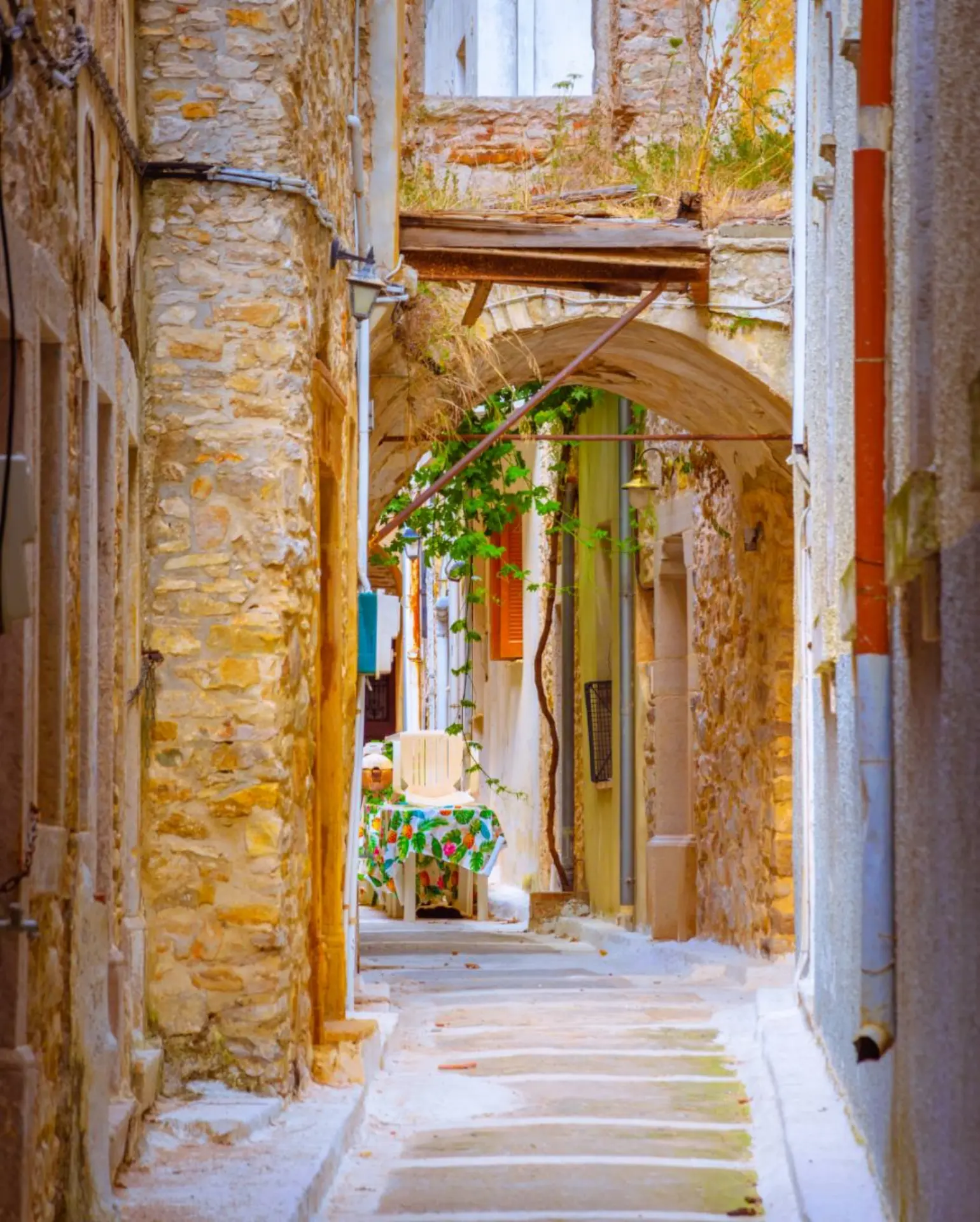
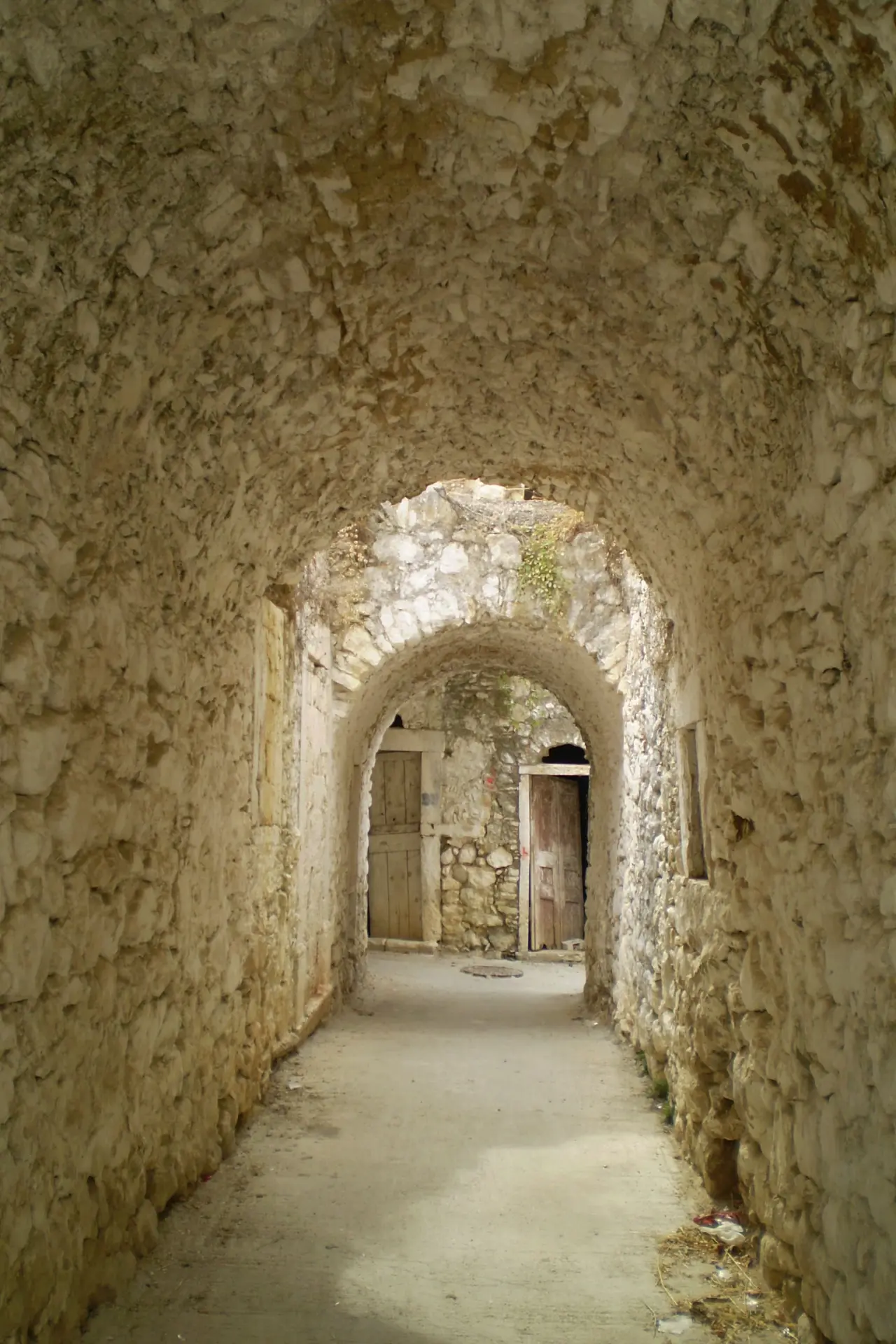
Walk through Kalamoti, Pyrgi, Vessa, and Armolia, exploring narrow alleys, stone houses, and traditional architecture

mastichochoria

Medieval Villages Tour

Southern Chios is home to one of the most remarkable medieval settlement networks in the Mediterranean. Known as the Mastichochoria, these villages were built between the 14th and 16th centuries as fortified communities designed to protect the production of the island’s precious mastic resin.

During the Genoese period (1346–1566), these villages were carefully planned as castle-like settlements, with narrow streets, stone houses built close together, and defensive layouts that protected residents from pirate raids and invasions. Remarkably, many of these villages remain living communities today, preserving their medieval character while continuing the centuries-old tradition of mastic cultivation.

Walking these villages gives visitors a unique opportunity to step back in time while appreciating the continuity of life in the Mastichochoria.

Armolia

Located just 3 km from Kalamoti, Armolia is another historic mastic village built in the same fortified style as the rest of the Mastichochoria. Above the settlement stands the castle of Apolichnon, which once overlooked and protected the surrounding mastic fields.

Today, Armolia is a lively village thanks to its position along the main road connecting many of the mastic villages. Visitors will find shops, cafés, tavernas, and local services, making it an active hub in the region.

Armolia is particularly famous for its ceramic workshops and pottery shops, located mainly at the village entrance. Here, visitors can find everything from small handmade souvenirs to decorative ceramics and household items.

Pyrgi

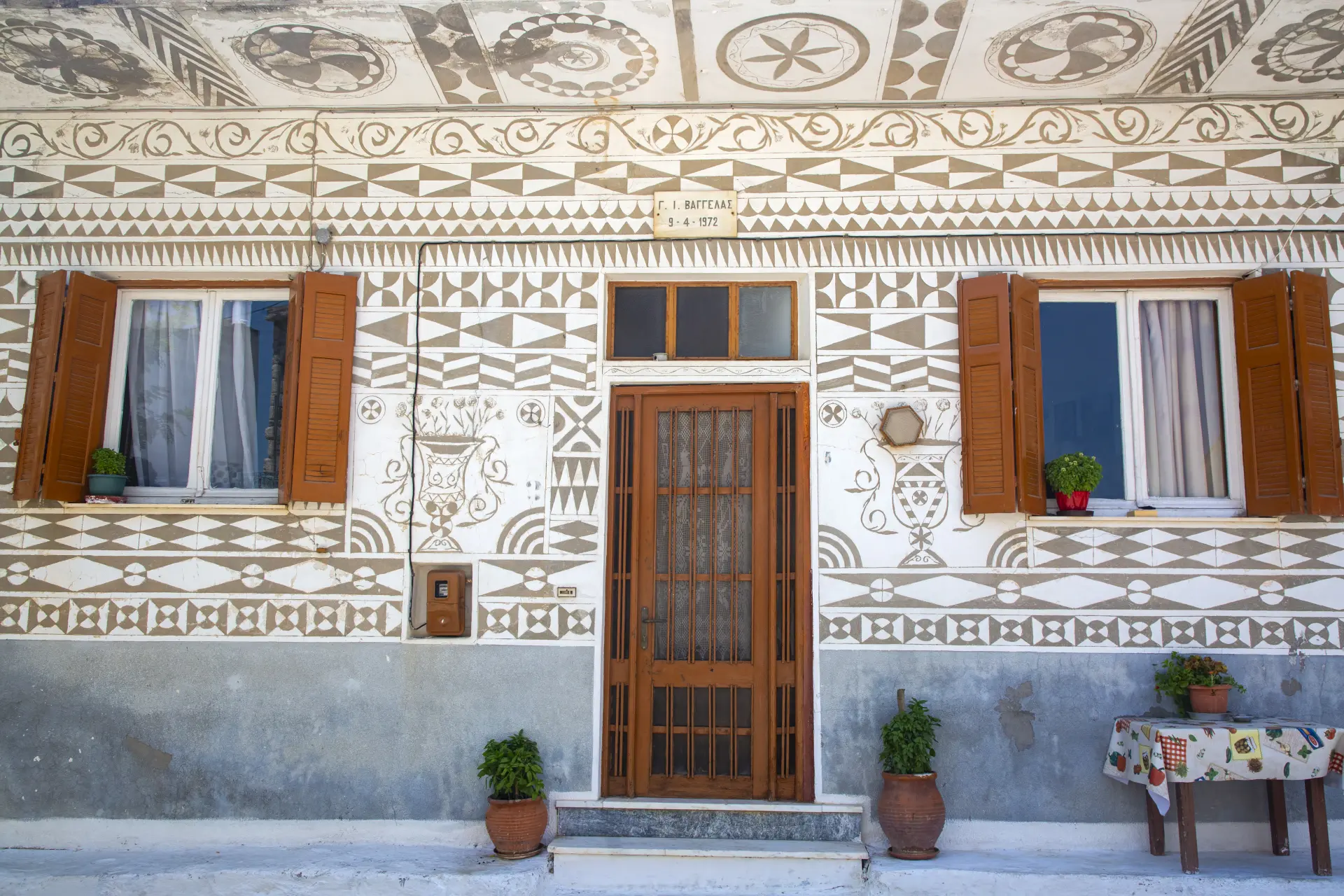
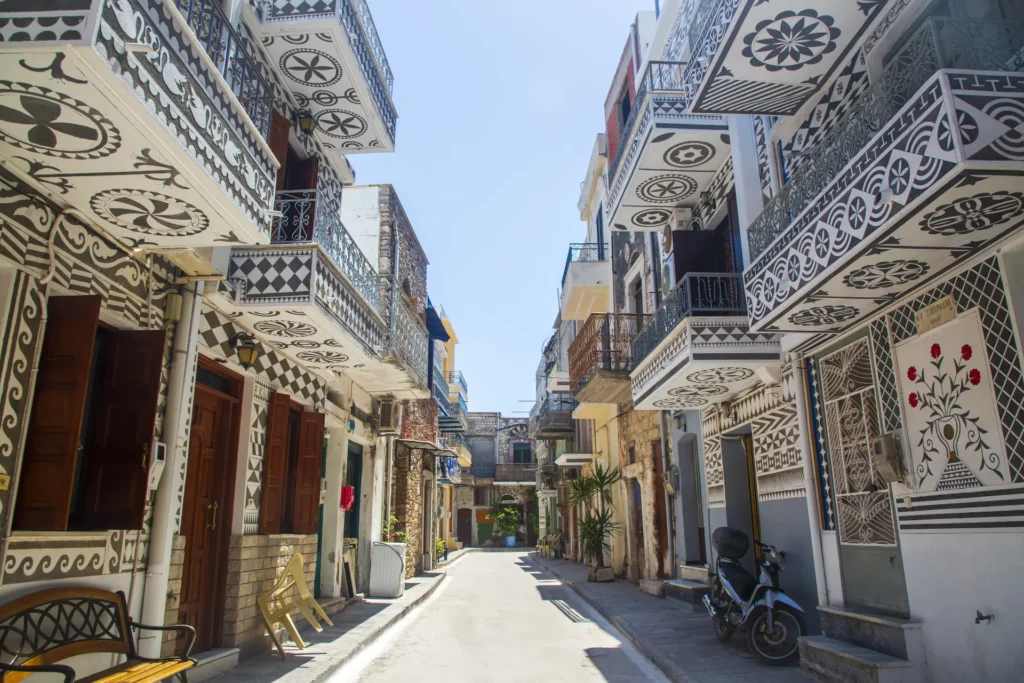
Pyrgi is the largest and most populated of the mastic villages and lies about 8 km from Kalamoti. It is one of the most distinctive villages in Greece thanks to its famous decorative facades known as “xysta.”

The exterior walls of the houses are covered with intricate black-and-white geometric patterns created by carving shapes into the plaster. This unique technique gives Pyrgi its remarkable visual character and makes it instantly recognizable.

The village also plays an important role in the island’s mastic production, and nearby stands the Chios Mastic Museum, dedicated to the cultivation and history of this unique product.

The central square of Pyrgi is lively, with cafés, small shops, and restaurants. Here stands the impressive church of Kimisis tis Theotokou, where every year on 15 August one of the island’s largest festivals takes place.
Olympoi

The village of Olympoi lies about 16 km from Kalamoti and is another well-preserved medieval settlement of the Mastichochoria.

At its center stands the tall defensive tower that once protected the village. Around it, narrow streets lead to small squares with traditional cafés and restaurants where visitors can experience the relaxed rhythm of village life.

Olympoi is also known for its traditional festival of the “Aga,” which takes place every year on Clean Monday, a unique local custom with roots in the Ottoman period.

Mesta

Mesta is widely considered one of the most beautiful medieval villages in Greece. The settlement retains its fortress-like structure, with houses built side by side forming the outer defensive walls of the village.

Inside, visitors wander through a labyrinth of narrow stone alleys that lead to the central square and the impressive church of Taxiarchis, one of the largest churches on the island.

Mesta combines its medieval atmosphere with a lively modern spirit, offering cafés, small bars, and restaurants within its historic setting. Like several other mastic villages, it also celebrates the traditional Aga festival during the Carnival season.

Vessa

Vessa is a smaller yet charming medieval village located about 9 km from Kalamoti. Built in a strategic position to protect against pirate attacks, the village once had a defensive tower and square walls forming a fortified settlement.

The name Vessa derives from the word “Vissa,” meaning valley, reflecting its location within the landscape of southern Chios. Over time the village expanded beyond its original defensive walls as the population grew.

Today Vessa remains a peaceful destination where visitors can admire traditional architecture and stop at the small cafés and restaurants in the village square.

Anavatos

Perched dramatically on a rocky hill on the western side of Chios, Anavatos is one of the island’s most striking historical sites. Often referred to as the “Mystras of the Aegean,” the village was built in a naturally defensive position with stone houses cascading down the steep cliff. Anavatos was largely abandoned after the tragic events of the Massacre of Chios in 1822, when many residents sought refuge here before the settlement was destroyed. Today, the silent ruins, narrow paths, and restored church of Taxiarchis create a powerful atmosphere, offering visitors a glimpse into a dramatic chapter of the island’s history along with breathtaking views of the surrounding landscape and the Aegean Sea.

Close
Close